
Healthcare in the Desert: An Expedition to the Algerian Tuareg Communities of Tamanrasset
As The Orange Trust team packed their bags and prepared to take on their ambitious mission to the Sahara desert of Algeria in January 2025, they only had one thing on their mind: finding a site in Tamanrasset where nomadic communities can easily have access to healthcare by setting up a pop-up clinic.
Their first step in making this project successful consisted of meeting up with
government officials in Algiers, in order to collaborate with the Ministry of Health and obtain authorisations to develop this initiative safely and legally. As the representatives supported this mission, The Orange Trust team is still waiting on a formal authorisation to proceed and will most likely start the project in 2026.
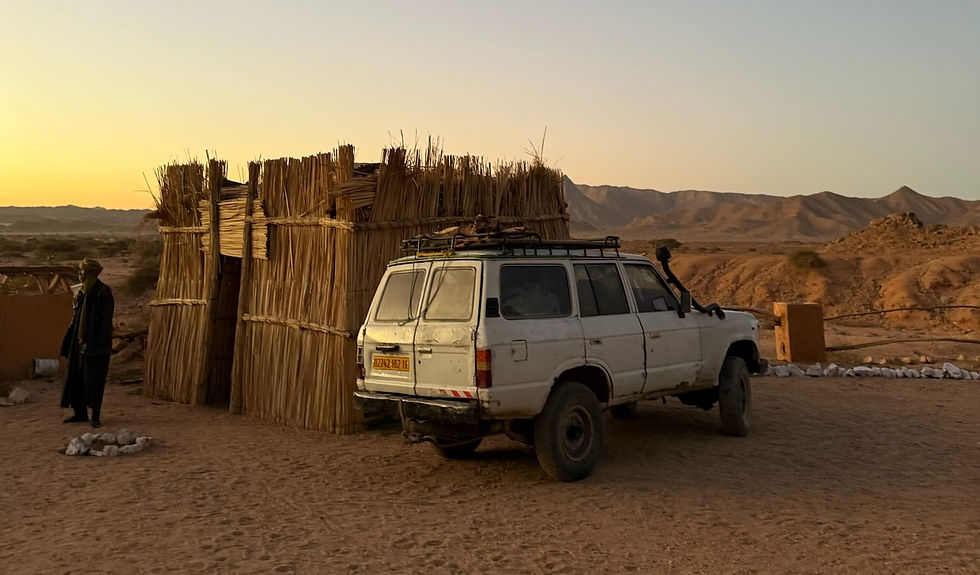
Once these formalities were done, it was time to discover Tamanrasset and its communities. They brought Ibrahim along with them, who became the driver and translator of the language of the Touaregs, the Tilgi. This language barrier between the team and the local communities became an issue in receiving thorough information on their situation. Thanks to Ibrahim for making the process easier.

Alaa, one of the researchers at The Orange Trust, explains that “we stayed in the nomadic area for one night and two days. Over there we had no service, nothing. Those were the locations we wanted to focus on. And we found a brand new clinic in the middle of nowhere that the government had built, right next to one of the nomadic families. We found out from the locals that the government had only used the clinic once.” This felt like the perfect opportunity for the team to secure the site.
After discovering this location, it was important to speak to the local communities on what resources they would like to have. Alaa says, “asking them what they want just felt like a stupid question. You can't ask someone, ‘what do you want?’ They could want everything. And you know what? Every person we asked said they want nothing.” It is interesting to dive into their lives and understand that with whatever resources they have, they are happy and comfortable. Even for medical assistance “they use herbs,” Alaa expresses. These communities are so in tune with nature that they find remedies through natural resources. It does make one think deeply on our metropolitan way of living.
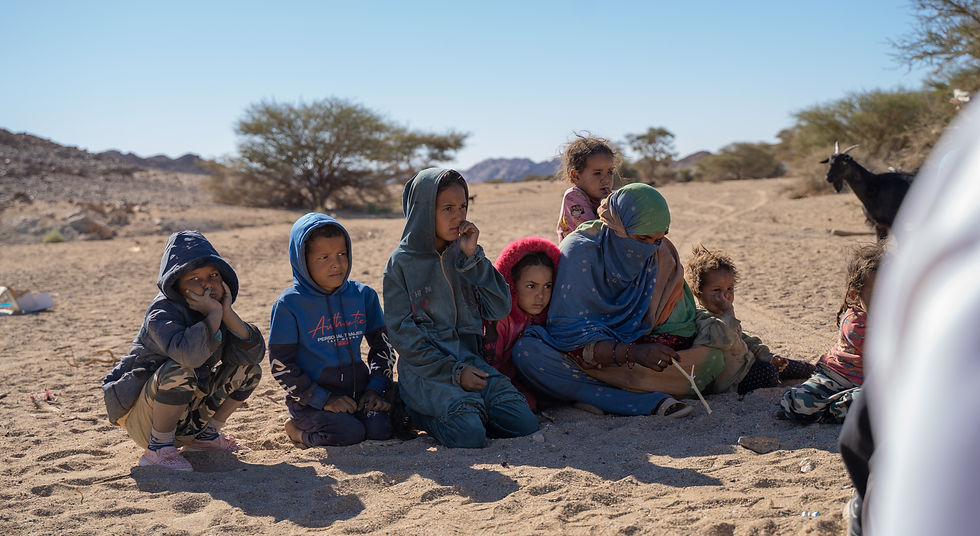
Although the Tuareg communities were content with their lifestyle, The Orange Trust team understood that they lacked some basic hygiene practices, so to make this project sustainable, it was important for the team to put their focus on providing non-invasive treatments and medical education workshops on prevention and awareness tailored to the communities’ needs.

Another challenge faced by the team, mostly due to the language barrier, included the inability to communicate with the women on their personal health concerns or needs. That is a conversation The Orange Trust team is tackling in order to make the local communities comfortable being open about this subject and allowing themselves to ask questions on their health.
At the end of their observation in the Algerian Sahara desert, The Orange Trust team experienced an eye-opening journey and felt a greater calling to make this project work. They were able to understand what the Tuareg communities need, they found an easily accessible site to establish the clinic, and they were made aware of the challenges that may come their way on this journey.

Comments